
Breast Reduction in Korea
Natural-looking and feeling results with THE PLUS expertise.

Hospitalization
Up to 1 night

Anesthesia
General

Surgery Time
3-5 hours

Stitch Removal
After 10-14 days

Recovery Time
2-6 weeks
Hospital Stay
Up to 1 night
Anesthesia
General
Surgery Time
3-5 hours
Recovery Time
2-6 Weeks
Stitch Removal
After 10-14 days
What is a Breast Reduction?
Breast reduction surgery reduces the fat, glandular tissue, and skin of excessively large breasts and simultaneously lifts sagging breasts to create a breast size and shape proportionate to the body.
The core of this surgery is not simply reducing breast size, but reconstructing the overall breast form by considering the position of the nipple and areola, degree of sagging, left-right asymmetry, scar placement, skin elasticity, and potential for future sagging.
Here at The Plus, our expert breast surgeon focuses on the overall balance, appearance and feel of the breast, customizing your surgery while considering the proportions of the rest of your body.
Who Are the Best Candidates for a Breast Reduction?
We recommend a breast reduction to those who:
THE PLUS Breast Lift & Reduction Results:
Before & After
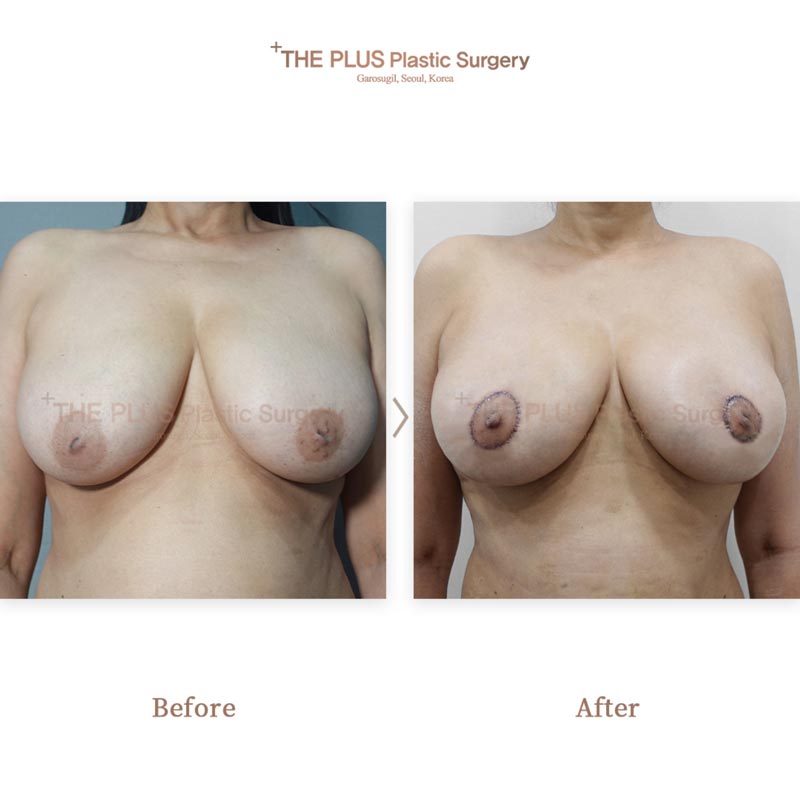
Breast Lift 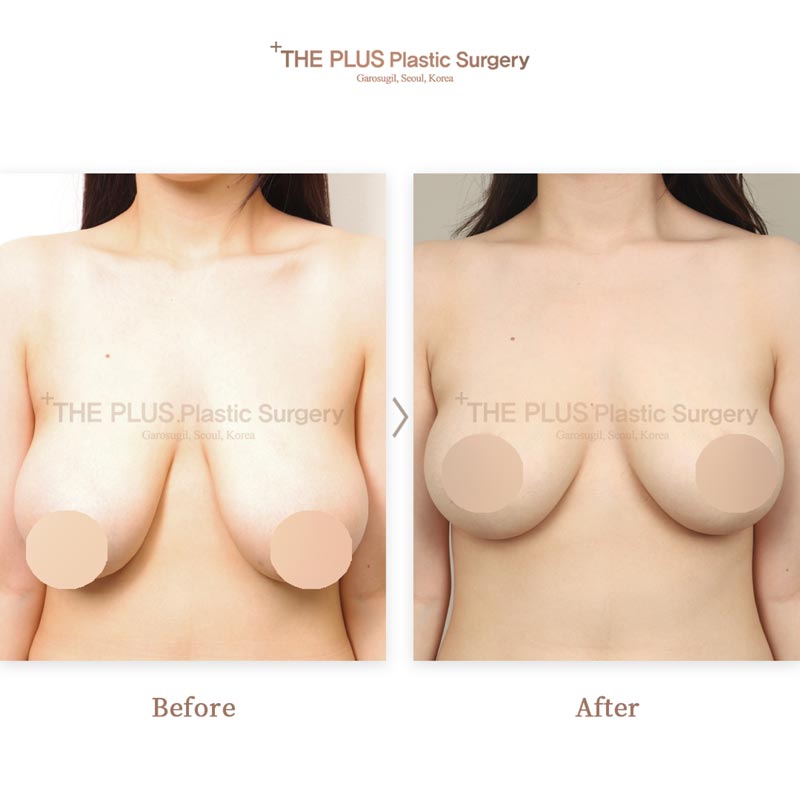
Breast Reduction 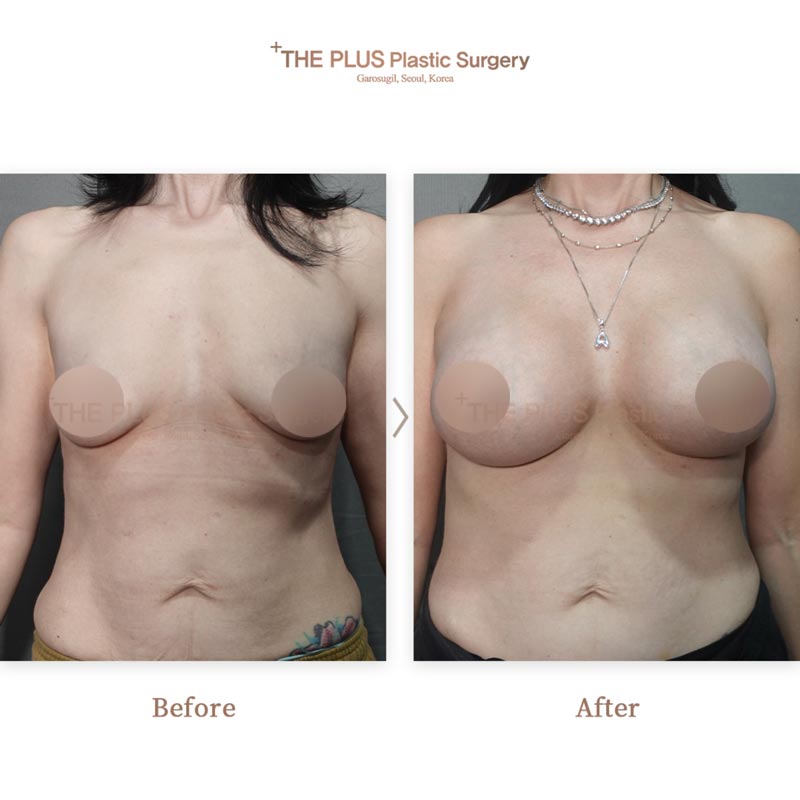
Breast Lift + Implants 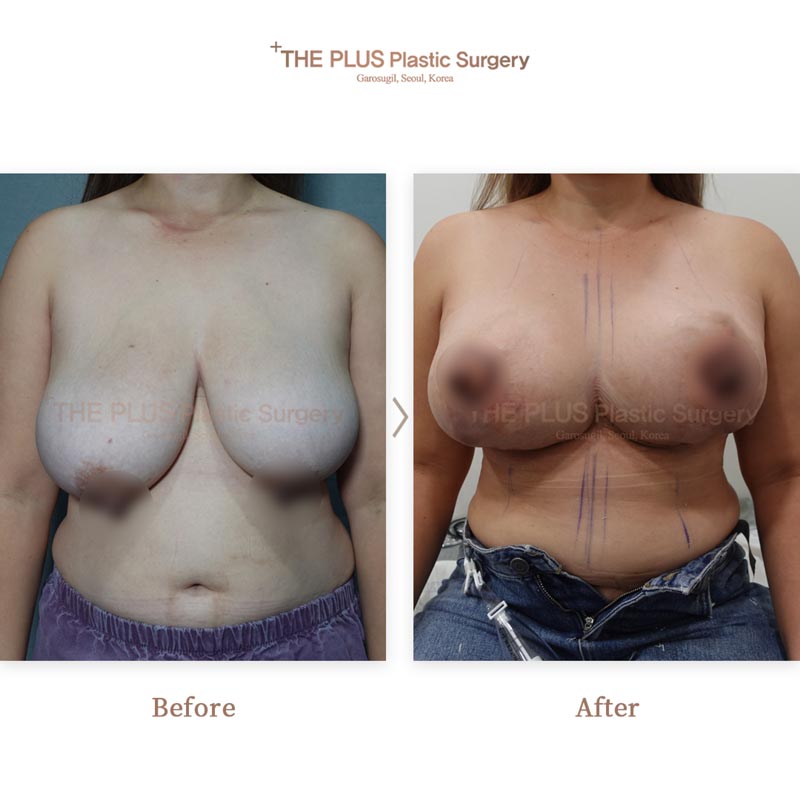
Breast Reduction + Lift 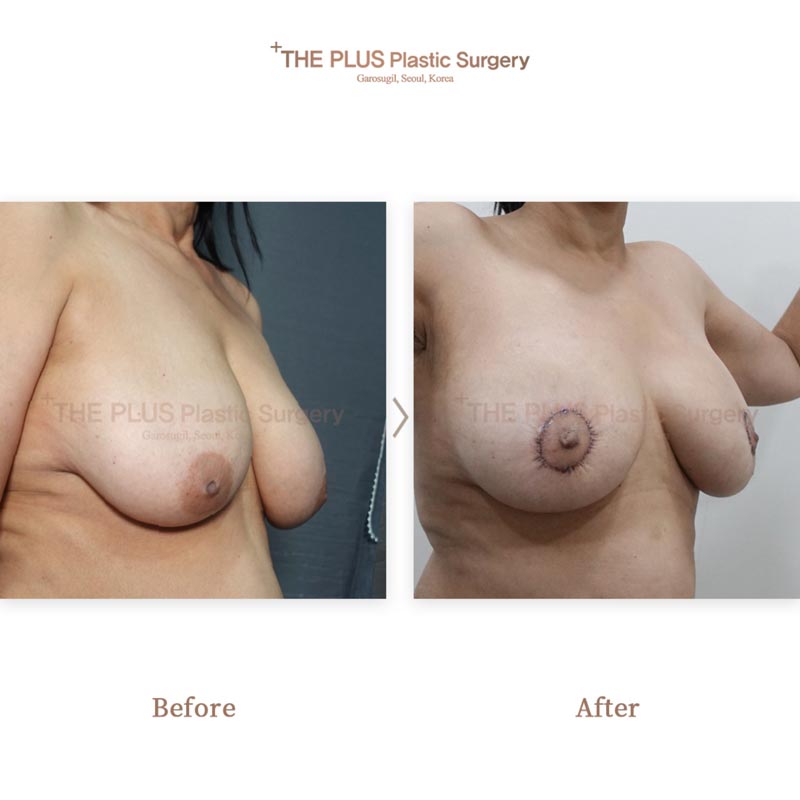
Breast Lift 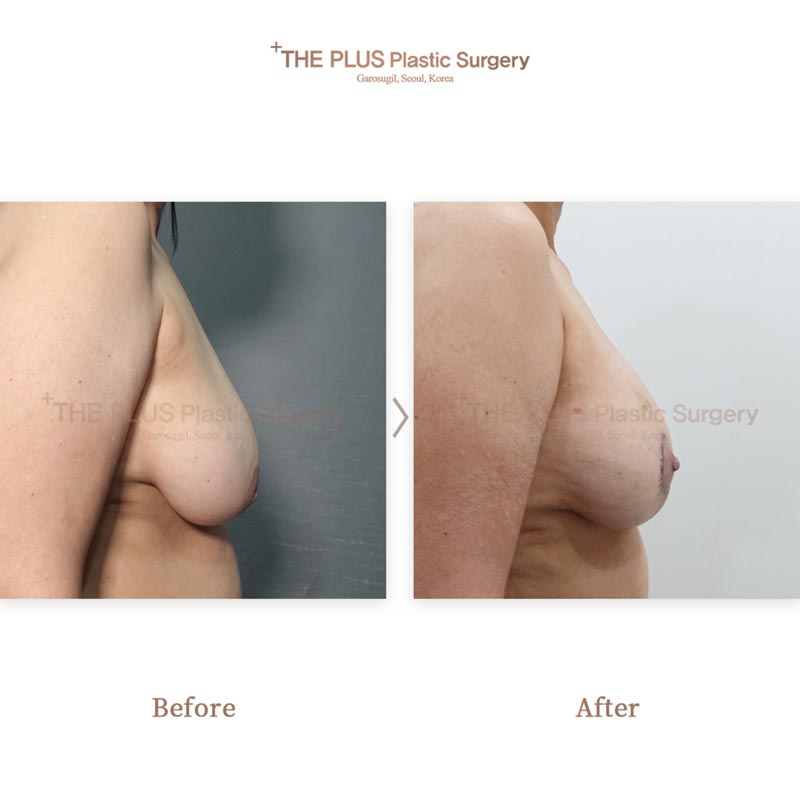
Breast Lift 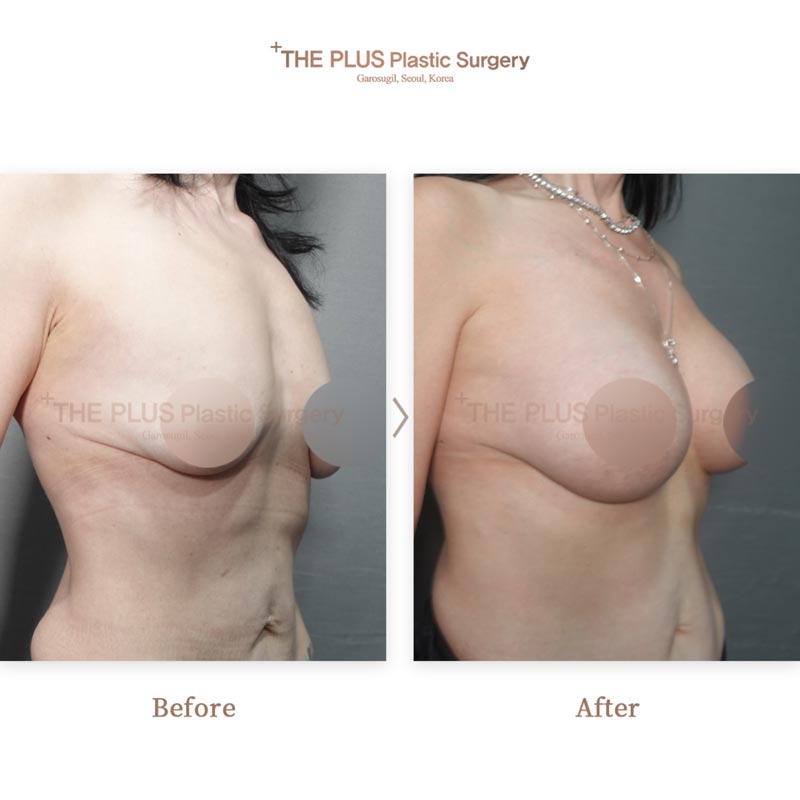
Breast Lift + Implants 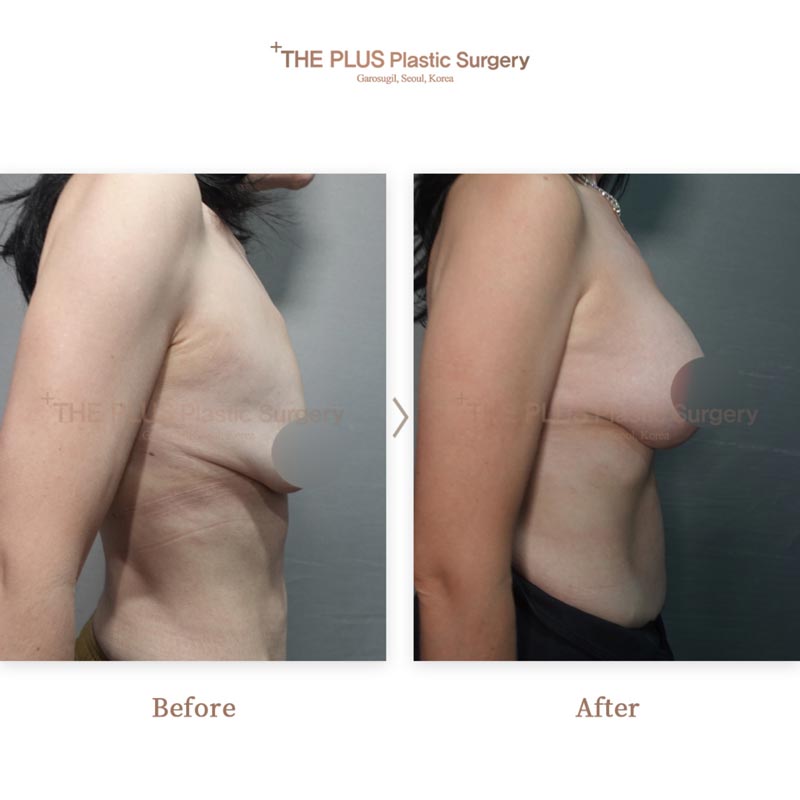
Breast Lift + Implants
Why Choose THE PLUS
for your Breast Reduction?
1
Female Doctor Expertise
Dr. Hoon-yeong Lee, our lead female doctor and breast surgery specialist, is a board certified plastic surgeon and is a member of several highly-renowned plastic surgery societies across Korea. With her experience in top hospitals and clinics across the country, as well as her female touch, she provides beautiful, satisfying results for our breast surgery clients.
2
Tailored Precision
Every surgery is designed around your unique body. By analyzing breast tissue volume, rib cage, shoulder line, and waist proportions, The Plus creates a fully customized surgical plan — one that pursues natural, balanced results rather than simply reducing size.
3
Total Transformation
The Plus goes beyond reduction. Through three-dimensional breast repositioning, lifting and reshaping are addressed simultaneously in a single unified plan — while carefully preserving nipple-areola blood flow and sensation for results that look and feel natural.
4
Lasting Care
From the first consultation through full recovery, The Plus follows a systematic process — covering pre-surgery measurement and design, technique selection to minimize scarring, and post-care that adapts to each patient’s individual recovery speed. The goal isn’t just a successful surgery, but a smooth and confident recovery.
How is Breast Reduction Surgery Done?
When undergoing breast reduction surgery at THE PLUS, we take several factors into consideration in order to personalize your treatment to obtain the desired results. Reduction method, incision types and locations, and whether or not to combine reduction with liposuction are all discussed and decided with the doctor to maximize efficacy, results, and patient satisfaction.
Breast Reduction Methods at THE PLUS
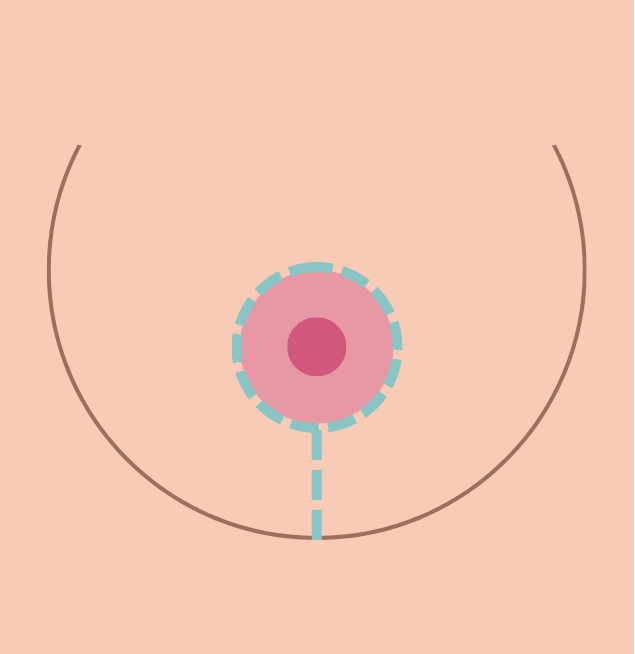

Lollipop Reduction (Vertical Incision)
A method using a vertical incision around the areola and from below the areola down to the breast fold.
The short scar method is well suited for moderate breast reduction, offering a meaningful lifting effect by gathering breast tissue upward while keeping the scar burden relatively low — as it requires no or minimal incision along the breast fold. It is a strong option for patients with moderately sized breasts and mild to moderate sagging who wish to minimize visible scarring as much as possible. Compared to the anchor incision, the reduced scar area and lighter recovery burden make it an appealing middle-ground choice that still achieves a natural lifting result. However, it does have its limitations — very large breasts or severe sagging may exceed what this method can effectively address, and some initial skin wrinkling may appear below the breast, though this typically improves on its own over time.
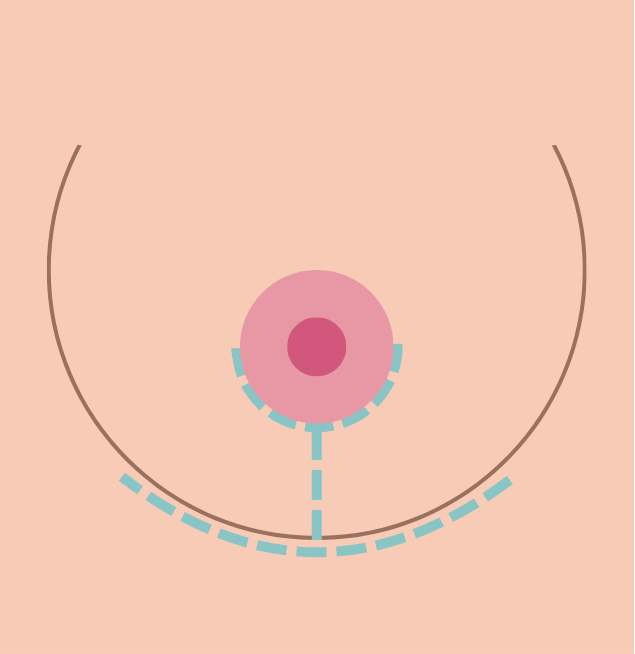

Anchor Reduction (Wise Pattern)
A method using incisions around the areola, a vertical line below the areola, and along the breast fold.
This method is best suited for patients requiring significant volume removal or presenting with severe sagging, as it allows for aggressive breast reshaping that can meaningfully improve both size and contour in a single procedure. It is particularly indicated for very large breasts or cases where excess skin has accumulated following childbirth or substantial weight loss.
The approach offers precise control over the degree of reduction and is highly effective at correcting severe sagging while achieving a stable, well-defined breast shape. The primary drawback is that the longer incision lines result in a relatively larger scar area compared to other methods, making consistent and careful scar management an important commitment throughout the recovery process.
Combining Breast Reduction and Liposuction
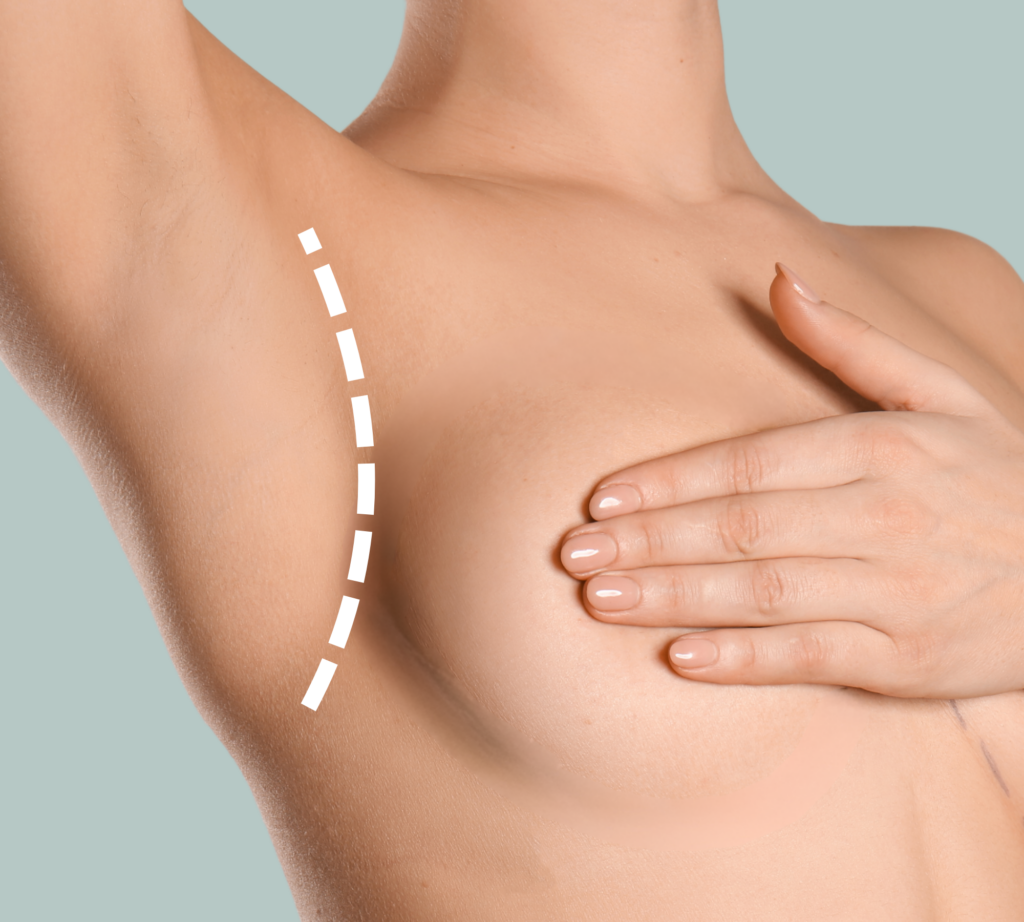
Liposuction is used as a supplementary technique rather than a standalone solution, and is most appropriate when the breast has a high fat-to-glandular ratio. It is particularly useful for patients who present with a wide lateral breast line or excess tissue along the axillary area, where excision alone may not fully refine the overall silhouette. When combined with excision-based surgery, liposuction can enhance body shape balance by addressing the side breast lines in a way that other methods cannot. However, its limitations are important to understand — it is not effective as a primary method for correcting sagging or managing high volumes of glandular tissue, and in patients with reduced skin elasticity, there is a risk that the removal of fat may lead to additional sagging over time.
Where Is the Incision Made and Why?

Areolar Circumference
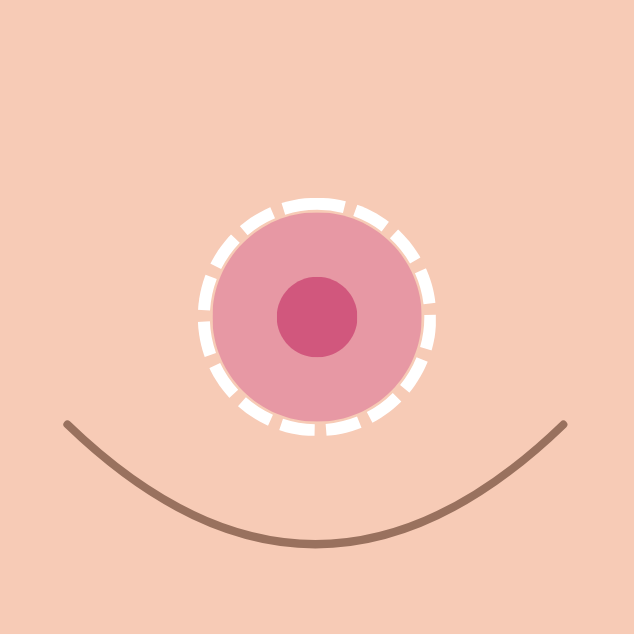
An incision made along the areola border.
Reason for use: Moving the nipple-areola position; reducing areola size; scar is located at the areola border and may be relatively less visible.
Suitable for: Cases with large areolas; cases where nipple position needs to be moved upward; cases where areola shape needs to be refined along with lifting or reduction.

Vertical Incision
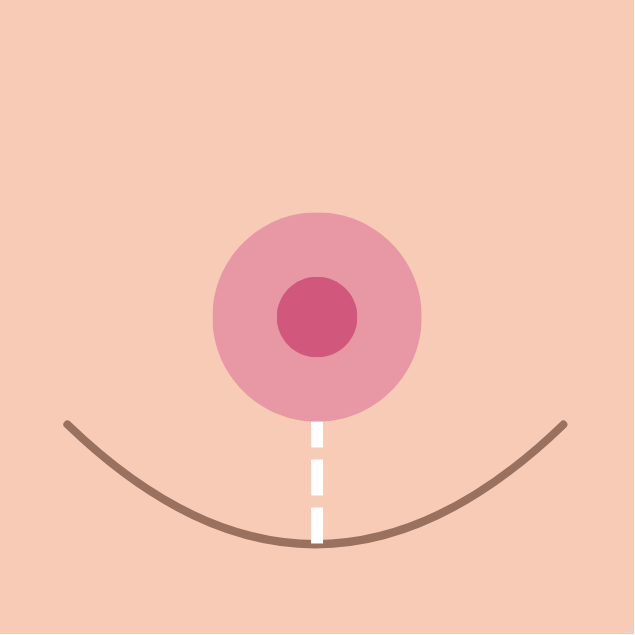
An incision from below the areola down to the breast fold.
Reason for use: To gather breast tissue upward and define shape; to achieve moderate reduction and lifting effect.
Suitable for: Moderate breast size reduction; moderate sagging; cases where scar range needs to be minimized.

Inframammary Fold

An incision along the crease line below the breast.
Reason for use: To remove large amounts of skin and tissue; to correct severe sagging; to stabilize the lower breast shape.
Suitable for: Large breasts; severe sagging; excess skin; cases requiring anchor incision.
How is the Nipple Grafted During a Breast Reduction at THE PLUS?
During a breast reduction at The Plus, the nipple is grafted using the Pedicle Technique. With this method, the nipple-areola complex is not completely detached from the breast. Instead, it remains connected to a tissue pedicle — a strip of tissue that retains its blood vessels and nerves — while being repositioned to a new, higher location on the breast.
It should be noted that if the nipple needs to be moved a very large distance, this technique may be more difficult to apply, and blood flow must be carefully assessed depending on breast size and degree of sagging. The most suitable nipple grafting technique for each patient is decided upon with the doctor following a thorough consultation and assessment of the patient’s current situation.

Our Process for International Patients
Our team here at THE PLUS is dedicated to providing the best service to our international clients. To ensure the best possible experience for patients visiting us from overseas we have an in-depth process, providing thorough consultation, language services and sensitivity throughout the duration of your experience.

No Language Barrier
We provide English-language services from consultation to aftercare, removing language barriers from your treatment experience. At THE PLUS we have English-speaking doctors, but in the case where a doctor does not speak English, translators are provided.
Wide Experience
We at THE PLUS have a wide range of experience treating patients from across the world, and from many different racial and cultural backgrounds. Our experience enables us to understand each individual client’s need with a sensitivity to cultural features and ideals outside our own.
End-to-End Assistance
All clients here at THE PLUS are provided with end-to-end assistance, meaning you will receive support from our staff and translators at all points of your treatment process, beginning from your online consultation until the end of your aftercare appointments.
Thorough Online Consultation
We understand that traveling from overseas to receive treatment can be daunting. To alleviate your concerns before arriving in-country, and discuss the details of your treatment, we schedule a through online consultation with one of our doctors for all our international clients.

Make a free online consultation:
THE PLUS Client Testimonials
+++
Three Elements Unique to THE PLUS
THE PLUS medical staff strive to ensure unrivaled safety and exceptional results.
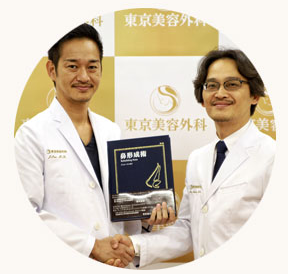
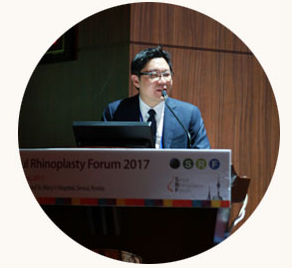
Boasting over a decade of expertise with a multitude of successful clinical outcomes, we’ve asserted our medical proficiency through presentations at academic conferences, guest lectures, and more. We remain steadfast in our original mission – publishing papers and books worldwide being part of our commitment. Always prioritizing optimum safety and gratifying results, THE PLUS medical team diligently meets its obligations.

We provide a pleasant environment and trusted service from the moment of consultation to post-operative care.
To ensure the safety of our clients and accurately assess their condition for precise surgery, THE PLUS Plastic Surgery employs state-of-the-art medical equipment and stringent customer safety procedures. We maintain a systematic approach to deliver top-notch medical services.
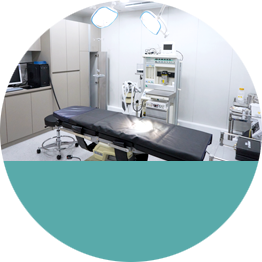
Safe surgery using cutting-edge medical
equipment.

Sterilization and disinfection system for a clean environment.

UPS system for patient safety in case of power outage.
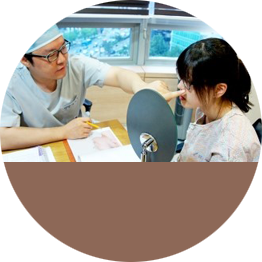
Continuous progress checks to maintain safe conditions.
Surgery alone is not enough to keep your condition optimal – THE PLUS also places great importance on post-surgical care.
We monitor the condition of our clients post-surgery, offering personalized care services designed to reduce recovery time, ensuring the sustainment of optimal surgical outcomes.


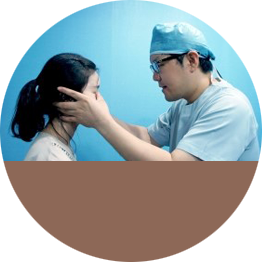
1:1 management according to personal needs.
Tissue regeneration using advanced equipment.
Self-care guidance, including massage and acupressure.
Frequently Asked Questions
What is breast reduction surgery?
Breast reduction surgery reduces excess fat, glandular tissue, and skin in overly large breasts while also lifting sagging breasts. The goal is to create a breast size and shape that feels more proportionate to the body.
Is breast reduction only about making the breasts smaller?
No. It also focuses on rebuilding the overall breast shape by considering nipple and areola position, sagging, asymmetry, scar placement, skin elasticity, and the possibility of future sagging.
Who is a good candidate for breast reduction?
You may be a good candidate if heavy breasts cause neck, shoulder, or back pain, if bra straps create severe shoulder pressure, if you often get skin irritation or sweating under the breasts, or if large breasts make daily activities, exercise, or clothing difficult. It may also help if your breasts have changed from childbirth, weight changes, or aging, or if you want to improve size differences and nipple position.
How long does breast reduction surgery take, and what is recovery like?
The surgery time is listed as about 3 to 5 hours under general anesthesia. Hospitalization or hospital stay is up to 1 night, stitches are removed after about 10 to 14 days, and recovery time is about 2 to 6 weeks.
What breast reduction methods are available?
Two main methods are described: lollipop reduction and anchor reduction. Lollipop reduction uses a vertical incision pattern and is suited for moderate reduction with a lifting effect and relatively lower scar burden. Anchor reduction uses incisions around the areola, vertically below it, and along the breast fold, and is better for significant volume removal or severe sagging.
When is lollipop reduction usually recommended?
It is generally suited for moderately sized breasts with mild to moderate sagging. It offers lifting while keeping the scar area smaller because there is no or only minimal incision along the breast fold.
When is anchor reduction usually recommended?
It is usually recommended when a larger amount of tissue and skin needs to be removed or when sagging is severe. It can provide stronger reshaping and more precise control over the amount of reduction, but it also creates a larger scar area than other methods.
Can breast reduction be combined with liposuction?
Yes. Liposuction may be used as a supporting technique when the breast has a high fat-to-glandular ratio or when there is excess tissue along the side of the breast or axillary area. It is not presented as a primary solution for sagging or for large amounts of glandular tissue.
Where can the incisions be made during breast reduction?
Incisions may be made around the areola border, vertically from below the areola to the breast fold, or along the crease under the breast. The exact pattern depends on goals such as moving the nipple higher, refining areola shape, reducing moderate size, minimizing scar range, removing larger amounts of tissue, or correcting severe sagging.
How is the nipple repositioned during breast reduction?
The nipple is described as being grafted with the pedicle technique. That means the nipple-areola complex is not fully detached; it stays connected to a strip of tissue that keeps blood vessels and nerves attached while it is moved to a higher position.
Does the nipple grafting method help preserve sensation or breastfeeding function?
The page explains that keeping the pedicle intact helps preserve blood supply, may help maintain sensation, and may partially preserve breastfeeding function. It also notes that this varies by individual and is not guaranteed.
What support is available for international patients?
International patients are offered English-language services from consultation through aftercare, and translators are available when needed. Support also includes end-to-end assistance, experience with patients from different cultural backgrounds, and a thorough online consultation before traveling.